Source Colorful LED Floating Water Fountain for Lakes, Ponds, and Squares
Find and compare 30 models of Colorful LED Floating Water Fountain units designed for lakes, ponds, and squares. These stainless steel fountains feature DMX control, LED lighting, and customizable water shapes to suit various outdoor installation requirements.
Key considerations
Products List


Lake Colorful Lights Fountain Outdoor Dancing Floating Water Fountain
$10000.00 - $100000.00
MOQ: 1 Pieces


Outdoor Shining LED Lighted Stainless Floating Dancing Water Fountain
$2500.00 - $85000.00
MOQ: 1 Sets


Outdoor 304 Stainless Steel Material Big LED Lights Floating Fountain
$14500.00 - $15000.00
MOQ: 5 set


$1.00 - $18.80
MOQ: 1 Pieces


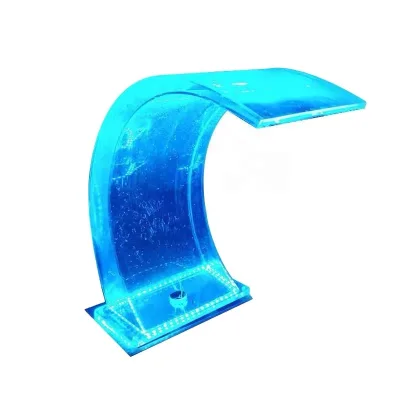

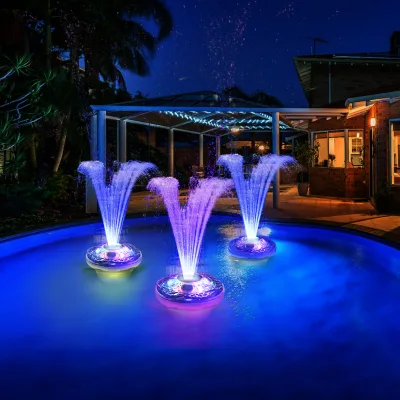
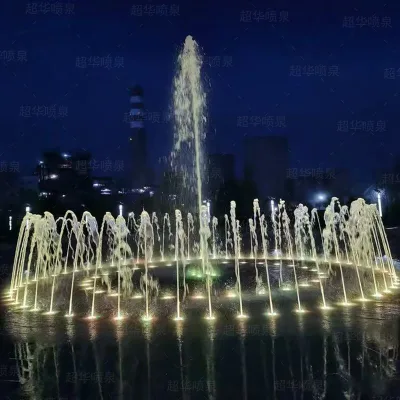
Comprehensive Sourcing Guide
Colorful LED Floating Water Fountain Sourcing Guide
Sourcing a Colorful LED Floating Water Fountain requires a careful balance of aesthetic customization and rigorous technical verification. These systems are not merely decorative; they are complex electromechanical assemblies that integrate hydraulic pumps, programmable lighting, and control systems into a single floating unit. Buyers must understand that the visual appeal of the water shape and light effects is directly tied to the underlying engineering of the pump and nozzle configuration. The primary decision point for any procurement team is whether to select a standardized model or pursue a fully customized solution, as this choice dictates the lead time, cost structure, and long-term maintenance requirements.
The market for these fountains is heavily concentrated in specific manufacturing hubs, with Jiangsu Province in China being a prominent origin point for these specialized aquatic installations. Suppliers in this region often offer a wide range of customization options, from the physical dimensions of the floating platform to the specific voltage and frequency requirements of the electrical components. This geographic concentration suggests a mature supply chain for stainless steel fabrication and submersible pump technology, but it also necessitates thorough due diligence to ensure that the supplier’s capabilities align with the specific scale and complexity of the project. Buyers should approach these suppliers with clear technical specifications rather than relying on generic catalog items.
Product Scope and Observed Listing Signals
The observed product listings indicate a diverse range of configurations, with models such as FN8444, FN8884, FN5590, FM4402, FN5343, and FN9990 representing different iterations of floating fountain technology. These model numbers suggest that suppliers offer modular or distinct design families, allowing buyers to select based on specific water shape preferences, such as "up and down" or "straight up and down" spray patterns. The presence of multiple model codes implies that the product scope is not monolithic; instead, it covers a spectrum of capabilities ranging from simple single-nozzle setups to complex multi-nozzle combinations. Buyers should treat these model numbers as starting points for inquiry rather than fixed specifications, as customization is frequently available.
Listing signals also reveal significant variation in power and lighting specifications, which are critical for matching the fountain to the local infrastructure. Observed data points to voltage options including AC24V for LED lights and 380V/220V/110V for pumps, alongside frequency options of 50Hz or 60Hz. This variability highlights the importance of verifying electrical compatibility before placing an order, as a mismatch can lead to equipment failure or safety hazards. Additionally, the mention of "Three Phase" power for some units indicates that larger or more powerful fountains may require industrial-grade electrical connections, which must be accounted for in the site preparation phase. The observed price range of 1 to 500,000 USD and MOQs from 1 to 650 units further suggest that these products are available for both small-scale residential ponds and large-scale commercial lake installations.
Technical Specifications to Verify
The core mechanical components of a Colorful LED Floating Water Fountain are the pump and the nozzle, both of which must be verified for material integrity and performance. The supplied facts indicate that fountain pumps are typically constructed from stainless steel or iron, while nozzles are made from stainless steel or copper. Buyers must verify the specific grade of stainless steel used, as lower grades may be susceptible to corrosion in freshwater or saltwater environments over time. The choice between iron and stainless steel for the pump housing also impacts durability and weight, which in turn affects the buoyancy requirements of the floating platform. Confirming these material specifications is essential for ensuring the longevity of the fountain in its intended aquatic environment.
Lighting and control systems are equally critical technical aspects that require detailed verification. The observed listings mention LED lights with AC24V RGB capabilities, offering colorful and color-changing effects, often controlled via DMX or music controllers. Buyers need to confirm the IP rating of the LED components to ensure they are fully waterproof and resistant to UV degradation. Furthermore, the control system must be compatible with the desired water show patterns, whether static or dynamic. The mention of "Image Design Free" suggests that some suppliers offer custom choreography, but buyers must verify the software compatibility and the ease of updating these designs. The height range of water spray, observed from 0.5 to 10 meters, also requires verification against the site’s wind conditions and water depth to ensure the desired visual effect is achievable.
Compliance and Safety Documentation
Electrical safety is the paramount concern when sourcing floating water fountains, given the interaction between high-voltage components and water. Buyers must request documentation that confirms the electrical components meet the safety standards of the destination country. This includes verifying that the transformers and power supplies are certified for outdoor use and that the low-voltage LED circuits are isolated from the high-voltage pump circuits. The observed voltage specifications, such as AC24V for lights and 380V for pumps, necessitate clear labeling and proper grounding procedures. Without proper compliance documentation, the installation may violate local electrical codes, leading to liability issues and potential insurance voidances.
Environmental and material safety standards should also be reviewed, particularly if the fountain is intended for public spaces or potable water features. While the supplied facts do not specify exact environmental certifications, buyers should inquire about the materials used in the floating platform and the coatings applied to the metal components. These materials should be non-toxic and resistant to leaching into the water body. Additionally, the packaging, described as wooden or wood packing, should be inspected for compliance with international phytosanitary standards if the product is being shipped internationally. Ensuring that all documentation is in order before shipment helps prevent customs delays and ensures that the product is safe for its intended application.
Cost Drivers and Commercial Terms
The cost of a Colorful LED Floating Water Fountain is driven by several key factors, including the size of the unit, the complexity of the control system, and the level of customization required. The observed MOQ range of 1 to 650 units indicates that pricing may vary significantly based on order volume, with bulk orders potentially benefiting from economies of scale. However, for customized models, the cost may remain high regardless of quantity due to the engineering and prototyping efforts involved. Buyers should request detailed breakdowns of costs, separating the hardware, lighting, control systems, and customization fees to understand where the value is being added.
Commercial terms such as warranty and after-sales service are critical components of the total cost of ownership. The supplied facts mention a one-year warranty and online technical support, which are standard but should be clearly defined in the contract. Buyers should verify what is covered under the warranty, including parts and labor, and whether the support is available in their local language and time zone. Additionally, the packing method, described as wooden packages, may incur additional costs for crating and shipping, especially for large units. Understanding these commercial terms helps buyers budget for not just the initial purchase price but also the ongoing maintenance and potential repair costs over the lifespan of the fountain.
Supplier Qualification and Quality Control
Verifying the supplier’s manufacturing capabilities is essential to ensure that the product meets the specified technical requirements. Buyers should request evidence of the supplier’s experience in producing floating fountains, including case studies or references from previous projects. The fact that the products originate from Jiangsu Province, China, suggests a concentration of expertise, but buyers should still conduct a thorough audit of the supplier’s quality control processes. This includes verifying the testing procedures for the pumps, nozzles, and electrical components before they are assembled into the final unit. A robust quality control process minimizes the risk of receiving defective products that fail during installation or early operation.
Customization capabilities should also be assessed, as many buyers require specific designs to match their landscape architecture. The observed "custom made" and "customized" attributes indicate that suppliers are willing to adapt their products, but buyers must ensure that the supplier has the engineering resources to handle these requests effectively. This includes the ability to design custom nozzles, adjust pump capacities, and program complex LED sequences. Buyers should ask for detailed technical drawings and simulations before approving the final design to ensure that the customized features are feasible and will perform as expected. Clear communication and detailed specifications are key to successful customization.
Long-Term Procurement Checks
Long-term procurement success depends on the availability of spare parts and the reliability of after-sales support. Buyers should establish a clear agreement with the supplier regarding the availability of replacement parts, such as pumps, nozzles, and LED modules, for at least five to ten years. The observed "on Line Technical Support" is a positive indicator, but buyers should verify the responsiveness and technical competence of the support team. In the event of a malfunction, having access to expert guidance can minimize downtime and repair costs. Additionally, buyers should consider the ease of maintenance, ensuring that the floating platform and electrical components are accessible for routine inspections and cleaning.
Finally, buyers should monitor the supplier’s product evolution and technological updates. The fountain industry is increasingly integrating smart controls and energy-efficient components, so suppliers that invest in R&D are more likely to offer superior long-term value. Buyers should inquire about the supplier’s roadmap for new features, such as improved DMX protocols or more durable LED technologies. By maintaining a strategic relationship with a qualified supplier, buyers can ensure that their floating fountain installations remain modern, efficient, and reliable over time. This proactive approach to supplier management helps mitigate risks and maximizes the return on investment for these complex aquatic installations.
FAQs
Can the fountain be customized for specific designs?
Yes, customization is available for this floating fountain. The product supports image design freedom and allows for custom-made standards to meet unique project requirements.
What is the maximum water spray height?
The water spray height ranges from 0.5 to 10 meters. This allows for versatile display options suitable for both small ponds and large lakes depending on the pump configuration.
How is the fountain powered and controlled?
The system operates on three-phase voltage with options for 380V, 220V, or 110V. Control is managed via DMX or PLC systems, often synchronized with music controllers for dynamic effects.
What materials are used for the pump and nozzle?
The fountain pump is constructed from stainless steel and iron. The nozzle material consists of stainless steel and copper to ensure durability and resistance to corrosion in outdoor environments.
Is the lighting system energy efficient and colorful?
Yes, the fountain features LED lights that provide colorful effects. The lighting operates at AC24V and offers color-changing capabilities to enhance the visual appeal of the water display.
What is the warranty and after-sales support?
The product comes with a one-year warranty. Buyers receive online technical support for after-sales service to ensure the fountain operates correctly throughout its lifespan.
Where is the product manufactured and shipped from?
The fountain originates from Jiangsu Province in China. It is packaged in wooden crates for safe transport and is suitable for installation in outdoor settings like lakes and ponds.